




Where Are Core Drill Bits Used? A Comprehensive Guide to Applications
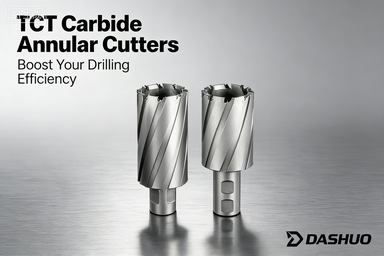
Core drill bits are specialized cutting tools designed to remove a cylinder of material, known as a core. Unlike standard drill bits that grind or shear away all the material in their path, core drills cut only the circumference of the hole, leaving the center intact. This unique design offers several advantages: faster cutting speed, reduced power consumption, and the ability to retrieve a sample of the material being drilled.
Because of these benefits, core drill bits have found their way into countless industries and applications. From constructing skyscrapers to installing home plumbing, these versatile tools are indispensable. This article explores the primary areas where core drill bits are used, highlighting why they are the tool of choice for each specific task.
1. Construction and Civil Engineering
The construction industry is arguably the largest user of core drill bits. Here, they are essential for creating precise openings in load-bearing structures without compromising integrity.
Concrete and Reinforced Concrete Drilling:
In almost every building project, there comes a time when a hole needs to be made through a concrete floor, wall, or ceiling. This could be for:
- HVAC Installation: Creating large-diameter holes for heating, ventilation, and air conditioning ducts to pass through floors and walls.
- Plumbing and Electrical Runs: Drilling passages for water pipes, sewage lines, and electrical conduit runs through foundation walls or concrete slabs.
- Anchoring and Doweling: Creating holes for rebar dowels or expansion anchors used in structural connections, renovations, or expansions.
- Core Sampling: Engineers and geologists often need to extract concrete cores from existing structures to test compressive strength, mix composition, or check for internal damage or deterioration. This is critical for building safety assessments.
For these applications, diamond-impregnated core bits are the standard, as they can effortlessly cut through both the aggregate (stone) and the reinforcing steel bar (rebar) found in modern concrete.
2. Masonry and Stonework
Beyond concrete, core drills are the go-to tool for working with various types of masonry and natural stone.
Brick and Block Work:
When installing utilities in brick or concrete block walls, core drills create clean, precise holes that prevent cracking and spalling (chipping) of the surrounding material. This is crucial for maintaining the structural and aesthetic quality of the wall.
Natural Stone Fabrication:
In the stone fabrication industry, core drills are used extensively. Applications include:
- Countertop Fabrication: Drilling holes in granite, marble, or quartz countertops for faucets, soap dispensers, and undermount sinks.
- Monument and Memorial Work: Creating precise holes in headstones and monuments for letters, emblems, or mounting hardware.
- Tile Installation: Tile installers use smaller, often diamond-tipped, core drills to make perfect holes in ceramic or porcelain tiles for pipes to emerge from walls, avoiding the ugly and uneven results of using a standard drill or a hammer and chisel.
3. Geotechnical Engineering and Mining
Core drilling is fundamental to understanding what lies beneath the Earth's surface. This field, known as geotechnical investigation, relies almost entirely on core drill bits.
Exploration and Sampling:
Geologists and mining engineers use core drills to extract undisturbed cylindrical samples of rock, soil, and mineral deposits from deep underground. These cores are brought to the surface and analyzed to determine:
- The presence and quality of mineral resources (like gold, copper, or iron ore).
- The geological strata and stability of a site before constructing large infrastructure projects like dams, bridges, tunnels, or high-rise buildings.
- Groundwater conditions and contamination levels.
In this field, the core drill bit must be incredibly durable and specifically designed to retrieve a high-quality, intact core for analysis. Diamond bits are almost exclusively used here due to their ability to cut through the hardest rock formations.
4. Electrical and Telecommunications
The modern world is connected by wires and cables, many of which are buried underground or run through structures.
Underground Utility Installation:
When installing power lines, fiber optic cables, or telephone lines, crews often need to drill horizontally beneath roads, driveways, or railway lines without disrupting the surface. Horizontal directional drilling (HDD) rigs use core drill-style bits to create these passages. The core drill's efficiency and directional stability make this precise underground work possible.
Penetrating Structures:
When bringing these cables from underground into a building, a clean, watertight entry point is needed. Core drills create the perfect hole through foundation walls for these services, which can then be properly sealed to prevent water ingress.
5. Plumbing and Electrical Trades
On a smaller scale, plumbers and electricians are among the most frequent daily users of core drill bits.
Plumbers:
They use core drills to create holes in floors, walls, and cabinets for running pipes. Whether it's drilling through a wooden floorboard for a waste pipe or through a brick wall for an external water spigot, a core drill provides the speed and accuracy needed. For large-diameter waste pipes (e.g., 4 inches or 100mm), a core drill is often the only practical tool.
Electricians:
Similar to plumbers, electricians use core drills to create pathways for wiring. A common task is drilling through multiple wall studs (wood or metal) to run cables. Larger holes may be needed for main service entrance cables to pass through exterior walls. They also use them for installing recessed lighting ("can lights") in ceilings, where a large, clean hole is required.
6. DIY and Home Renovation
With the increasing availability of core drill bits for home-use drills, many DIY enthusiasts now use them for renovation projects. Common home applications include:
- Installing a new lock on a door (using a hole saw, which is a type of core drill for wood).
- Running cables for a home entertainment system through walls.
- Creating a hole in a tiled wall for a new bathroom faucet or shower arm.
- Installing a pet door through a wooden or composite door.
Summary Table of Applications
| Industry | Common Materials Drilled | Purpose |
|---|---|---|
| Construction | Concrete, reinforced concrete | HVAC/plumbing/electrical penetration, anchoring, core sampling |
| Masonry/Stone | Brick, block, granite, marble, tile | Utility installation, countertop fabrication, monument work |
| Geotechnical | Rock, soil, ore | Mineral exploration, site stability analysis |
| Electrical/Comms | Concrete, asphalt, soil | Underground cable installation, service entry points |
| Trade (Plumbing/Electrical) | Wood, studs, masonry, tile | Pipe and cable routing, fixture installation |
| DIY/Home | Wood, drywall, tile, masonry | Home renovation, lock installation, cable management |
Conclusion
The core drill bit is a testament to the idea that the right tool for the right job makes all the difference. Its applications are incredibly diverse, spanning the massive scale of geotechnical exploration and high-rise construction down to the precise needs of a tile setter or a DIY homeowner. Whether it is retrieving a core of ancient rock to understand geological history or simply creating a clean hole in a kitchen tile for a new tap, the core drill bit is an essential tool that quietly enables much of the modern built environment. The key to success in any of these applications lies in selecting the correct bit material—diamond, carbide, or HSS—for the specific material being drilled.